
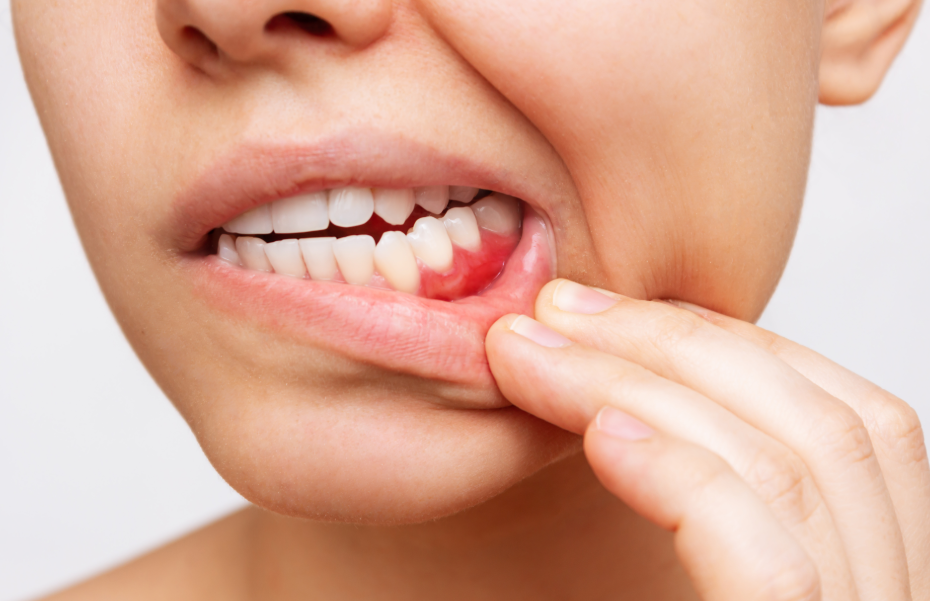
Gum disease is one of the most common oral health concerns, but did you know that some people are more likely to develop it than others? While daily brushing and flossing go a long way toward protecting your smile, certain lifestyle habits, health conditions, and even genetics can increase your risk. Understanding these risk factors can help you take proactive steps to keep your gums healthy.
1. Smoking and Tobacco Use
Smoking is one of the most significant risk factors for gum disease. Tobacco products interfere with your body’s ability to fight infections and heal damaged tissues. Smokers may also experience reduced blood flow to the gums, making it harder to recognize early warning signs like bleeding and inflammation. Quitting tobacco can make a meaningful difference in your oral and overall health.
2. Genetics and Family History
Sometimes, your family history can influence your oral health. Research suggests that certain genetic factors may make some people more susceptible to gum disease, even when they maintain good oral hygiene habits. If gum disease runs in your family, let your dentist know so they can keep a closer eye on your periodontal health.
3. Certain Health Conditions
Your oral health is closely connected to your overall well-being. Conditions such as diabetes, cardiovascular disease, and rheumatoid arthritis can influence inflammation and your body’s ability to fight infections. Diabetes, in particular, can make it more difficult to control gum infections, while gum disease can also make blood sugar levels harder to manage.
4. Hormonal Changes and Age
Hormonal fluctuations during puberty, pregnancy, and menopause can make gum tissue more sensitive to plaque, increasing the likelihood of inflammation and bleeding. Older adults also tend to experience higher rates of gum disease. Although aging itself doesn’t guarantee periodontal problems, maintaining consistent preventive care becomes increasingly important over time.
5. Stress and Poor Nutrition
Chronic stress can affect your immune system, making it harder for your body to fight infections, including those that affect your gums. Nutrition matters, too! A diet lacking essential vitamins and nutrients can weaken your body’s natural defenses. Obesity has also been associated with an increased risk of periodontal disease.
6. Medications and Teeth Grinding
Certain medications, including some antidepressants and heart medications, can affect oral health by reducing saliva production or influencing gum tissue. Meanwhile, regularly clenching or grinding your teeth can place additional pressure on the structures supporting your teeth, potentially accelerating damage when gum disease is already present.
How Can You Reduce Your Risk?
While you can’t control every risk factor, there are plenty of ways to protect your gums. Brush twice daily, floss every day, eat a balanced diet, and avoid tobacco products. Keep up with routine dental appointments, and share any changes in your health or medications with your dental team.
If you’re noticing swollen, tender, or bleeding gums, don’t wait for the problem to get worse. Early intervention can help prevent gum disease from progressing and protect your smile for years to come.
Taking care of your gums today is an investment in a healthier smile tomorrow!
About the Practice
Taylor Choice Dental is dedicated to helping patients maintain healthy, confident smiles through personalized dental care. The practice offers gum disease therapy to address periodontal concerns and support long-term oral health. Whether you’re looking for preventive guidance or treatment for existing gum problems, the team is here to help you take the next step toward a healthier smile.
Call us at (737) 301-8555 or schedule your appointment online