
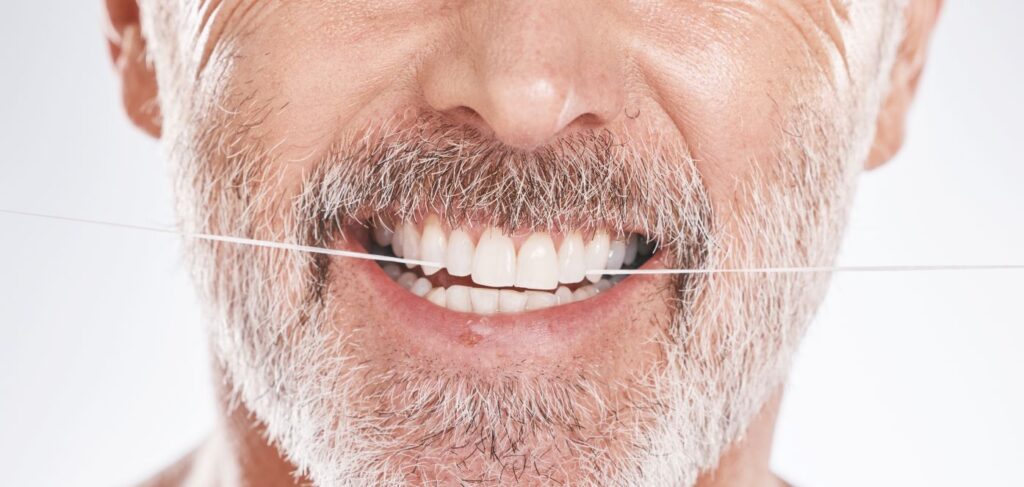
As you get older, there are certain things in life that you’re likely to experience. Your hair might turn gray, your skin may even lose elasticity, and unfortunately, your chances of developing gum disease will increase, too. Here’s why seniors are more prone to periodontal problems, and what you can do to prevent them from happening to you!
How Common is Gum Disease in Seniors?
According to the Centers for Disease Control, gum disease becomes more common as you age, with upwards of 47 percent of adults over the age of 30 having some stage of the condition. Sadly, this number only gets higher with age, and by 65, it is estimated to affect nearly 70 percent of seniors!
Why Are Seniors at a Higher Risk of Gum Disease?
There are many reasons that seniors are at an increased risk of developing periodontal problems. These include:
- Poor oral hygiene: Because gum disease is often caused by unsightly plaque buildup that develops over time, seniors are more likely to have this biofilm stuck to their teeth than younger people. Thus, if you aren’t diligent about your oral hygiene, don’t floss regularly, or have skipped dental cleanings in the past, you can easily increase your risk of periodontal problems.
- Smoking and vaping: Smoking, vaping, and using tobacco products dries out the mouth and increases your risk of gum disease, oral cancer, and a variety of other life-threatening illnesses. Worse yet, it can make it harder for your mouth to heal, making it easier for oral infections to thrive.
- Dry mouth: Dry mouth can be caused by many things, including smoking, certain medications, and age-related changes in the oral cavity. If you use tobacco products, do your best to quit, and if your medication is making your mouth feel like the desert, speak to your dentist about adding a moisturizing mouthwash to your daily oral hygiene routine.
- Medical conditions: Diabetes, arthritis, and heart disease can all increase your risk of gum disease, and worse yet, your risk of developing them increases with age, too!
- Skipping the dentist: Whether you’re too busy, too scared, or simply don’t think you need a cleaning, many people make excuses to skip their regular dental checkups and cleanings. Unfortunately, however, even if your mouth looks and feels fine, avoiding these visits could cause you to miss unnoticeable deposits of plaque that lead to gum disease. Furthermore, if you’ve already developed periodontitis, by avoiding your oral health exams, you could be allowing the condition to get a lot worse!
How Can I Reduce My Risk of Developing Gum Disease?
Thankfully, unlike the color of your hair and the volume of collagen in your skin, there’s still plenty you can do to prevent gum disease. First, be sure to brush twice a day and floss daily. Avoid any harmful oral habits like smoking or vaping, and if you’re taking a medication or suffering from a medical condition that causes dry mouth, talk to your dentist about your options. Finally, to be sure to keep visiting your dentist every six months for your preventive exams and cleanings. These are your opportunities to clear away harmful deposits of plaque and safeguard your teeth and gums from the ravages of gum disease, so you’ll have a healthy, beautiful smile at any age!
Remember, no matter how young you are, gum disease doesn’t have to be inevitable. With the above tips, you can protect your smile against periodontitis, so you can enjoy all the benefits of a full, healthy smile for a lifetime!
About Our Practice
Getting older doesn’t mean you have to lose your teeth- in fact, quite the opposite. At Taylor Choice Dental, our team of caring and talented dentists are pleased to offer smile saving gum disease therapy treatment to eliminate infection and restore your gorgeous, healthy grin. To learn more about how we can help protect you against periodontitis, schedule an appointment for gum disease therapy today by visiting our website or calling 737-301-8555.